Skip to content
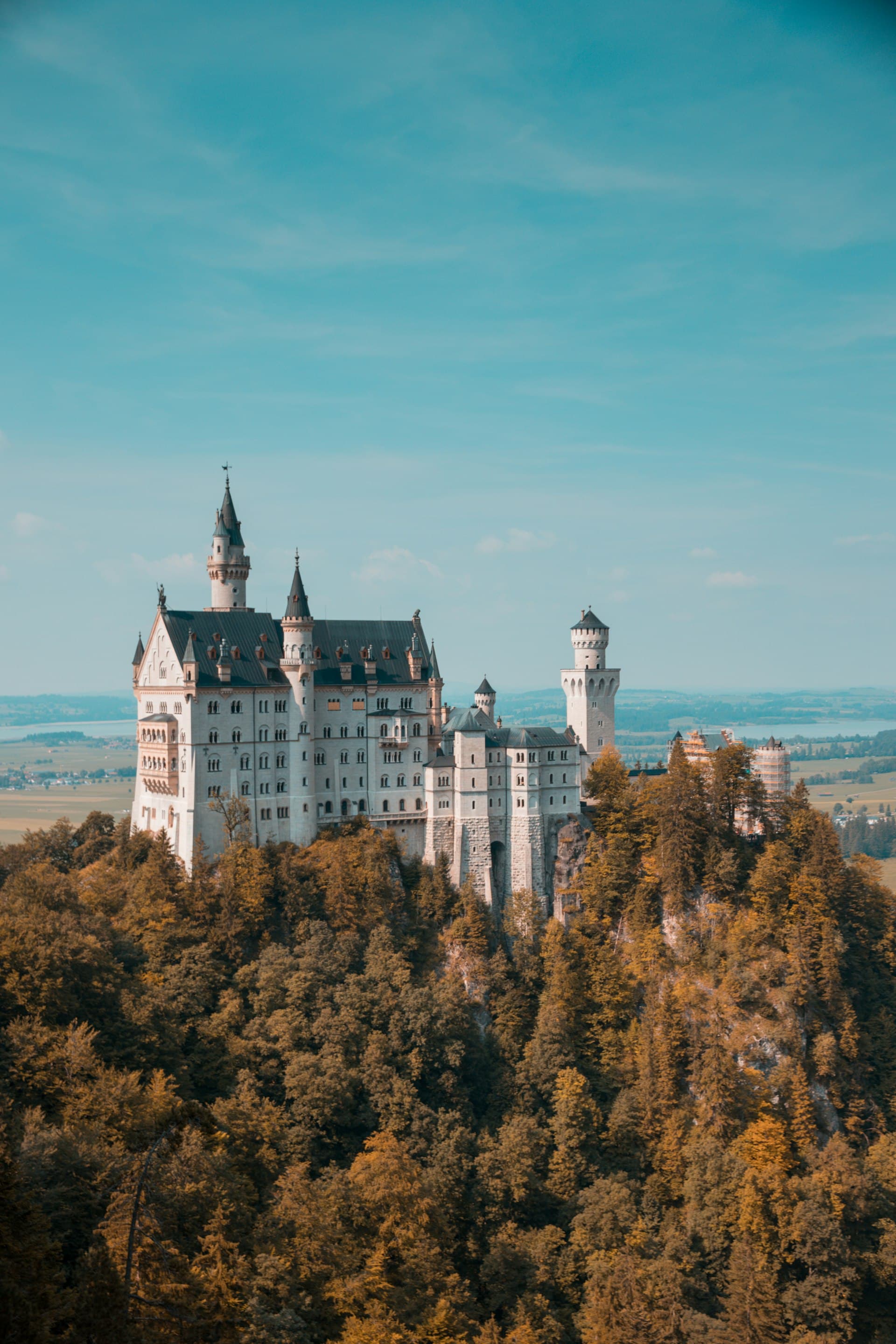
Neuschwanstein Castle from the Marienbrücke bridge at sunrise with morning mist in the valley

Travel Guide

Best Neuschwanstein Photography Spots — A Photographer's Guide

The photographs that made Neuschwanstein famous were taken from specific places at specific times of day. Here is what each viewpoint offers — and why the best shots happen when you know where to stand.

4.9/5 on TripAdvisor

Money-Back Guarantee

Since 2004

No Hidden Extras

Travel GuideApril 12, 2026

The most famous Neuschwanstein photograph is taken from one bridge by thousands of people. The most extraordinary Neuschwanstein photographs are taken somewhere else entirely.

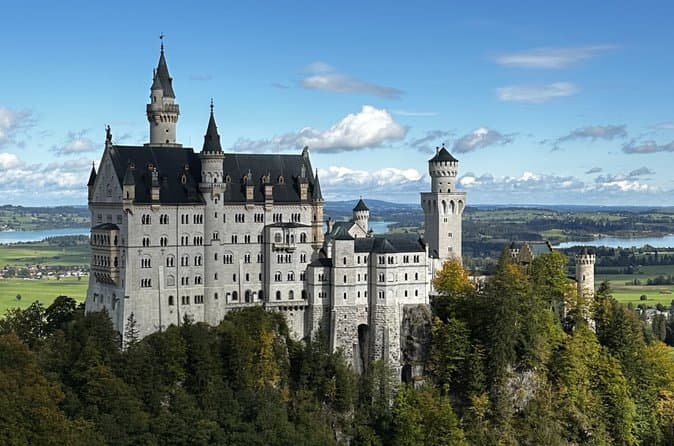
The most famous photograph of Neuschwanstein was taken from the Marienbrücke — the iron footbridge suspended over the Pöllat Gorge, fifty meters above the waterfall below the castle. From this vantage point, looking north along the gorge, the castle rises against the sky in a composition that requires almost no photographer's instinct to capture. The subject is there. The angle is defined. The challenge is getting to the bridge before four hundred other people are already on it. That challenge is real. In peak summer, the bridge is crowded from first light. The classic shot exists, but extracting it from the crowd is the work. What the crowd at the bridge cannot tell you is that Neuschwanstein has other viewpoints, less famous and in many ways more extraordinary. ## The Classic: Marienbrücke The bridge shot has become the representative image of Neuschwanstein because it is the best composition of the castle in isolation — the towers filling the frame, the gorge dropping away below, the Alps as backdrop. It is not a complicated photograph, but it is a powerful one. The key variables are time and season. Early morning in autumn or spring, before the main visitor wave arrives, gives you the bridge with space to breathe. The light at that hour hits the towers from a low angle, modeling the stonework and differentiating the levels in a way that midday flat light does not. The gorge below holds morning mist in cooler months, which adds atmospheric depth. Our morning tours specifically target this window. Hotel pickup from Munich at early hours, arrival at the bridge before the crowd fills it, light conditions at their peak for the towers. ## The Alpsee Reflections The lake below the castle complex — the Alpsee, which translates simply as "Alpine lake" — offers a completely different photographic register. Instead of looking up at towers, you look across still water at a distant castle reflected in it. The reflection shot requires genuinely calm conditions: no wind, still morning water. In the right light, the castle and its reflection become a symmetrical composition that the bridge shot cannot offer. The color of the water — deep blue in summer, pewter in autumn, occasionally grey-green in winter — changes the mood entirely. This is a more patient photograph. You wait for the water to settle. You wait for the light to align. The result, when it comes together, is among the most striking castle images available to any camera. ## The Aerial Perspective: Forest Trails The least-known viewpoints are the most dramatically wide. Several forest trails above and beside the castle complex reach elevations from which Neuschwanstein appears small against the full panorama of the Bavarian Alps. This perspective inverts the conventional approach: instead of the castle filling the frame, it becomes a white accent in a vast landscape — the Alps receding to the horizon behind it, forest below, sky above. The sense of scale, of a single man's obsession set against the indifferent beauty of the mountains, is something the bridge shot cannot communicate. Our guides know exactly which trails reach these vantage points, and what time of day the light falls correctly on this orientation. It is not on any tourist map. It is the kind of knowledge that comes from years of guiding in the same landscape. ## The Light Question Every viewpoint at Neuschwanstein changes with the light, and the light changes with the hour and the season more dramatically here than at most sites. The castle faces south-southwest. Early morning light comes from behind the photographer standing on the Marienbrücke — raking, warm, modeling the towers from above. Late afternoon light turns the same towers gold from the west. The dramatic contrast shots, with clouds behind the towers, happen in unstable weather — the transition moments that are impossible to schedule but extraordinary when they occur. A local guide who has photographed and observed the castle across all seasons and all hours is not a substitute for a good photographer's eye. But they are the difference between arriving when the light is wrong and arriving when the light is the whole story.

Our guide drove us to a hillside viewpoint that looked across the full valley. The castle was small against the mountains, but it was the most dramatic photograph I have ever taken.

Steven R., San Diego

She positioned us facing the towers just as the light changed. Perfect. Forty minutes earlier or later and the shot doesn't exist.

Rachel & James, London
neuschwansteinphotographyviewpointstravel photographybavariamarienbrücke
E

Written by

European Castles Tours

A family-run tour company based 5km from Neuschwanstein Castle since 2004.

4.9★ TripAdvisor · 272 reviewsUpdated 2026-04-12Reviewed by Astrid Baur

Quick Answer

What are the best photography spots at Neuschwanstein?

The Marienbrücke bridge is the most famous viewpoint, offering the classic straight-on tower shot. The Alpsee lake provides reflections. Forest trails above the castle give wider perspective shots with the Alps behind. A local guide knows the exact positions and timing — the quality of light changes the shot entirely, and the guide's knowledge of when and where is the difference between a good photograph and an extraordinary one.

Common Questions

Frequently Asked Questions

Early morning provides the best light for the classic Marienbrücke shot — low angled light with minimal crowd competition. Late afternoon golden hour illuminates the western face dramatically. Midday flat light is the least flattering. Your guide will plan timing to match the season's best light.

Photography inside Neuschwanstein is not permitted during the guided interior tour. The experience inside is meant to be encountered directly, not through a screen. All the great Neuschwanstein photography happens from outside.

In summer, the number of visitors at the main viewpoints makes tripod use difficult. For early morning or winter visits with fewer people, a tripod significantly improves long exposure and low-light shots.

For the classic compressed-perspective tower shot from above, a telephoto lens in the 70-200mm range is ideal. For environmental shots that show the castle in its landscape context, a wide-angle lens captures more of the Alps and forest. Both have their place.

The bridge closes in icy winter conditions, typically late November through March. When it closes, our guides route guests to alternative viewpoints that are, in some conditions, photographically superior.

Explore These Places

Related Tours
Discover More

Explore These Destinations

Keep Reading

More From the Blog