Seasonal Guide
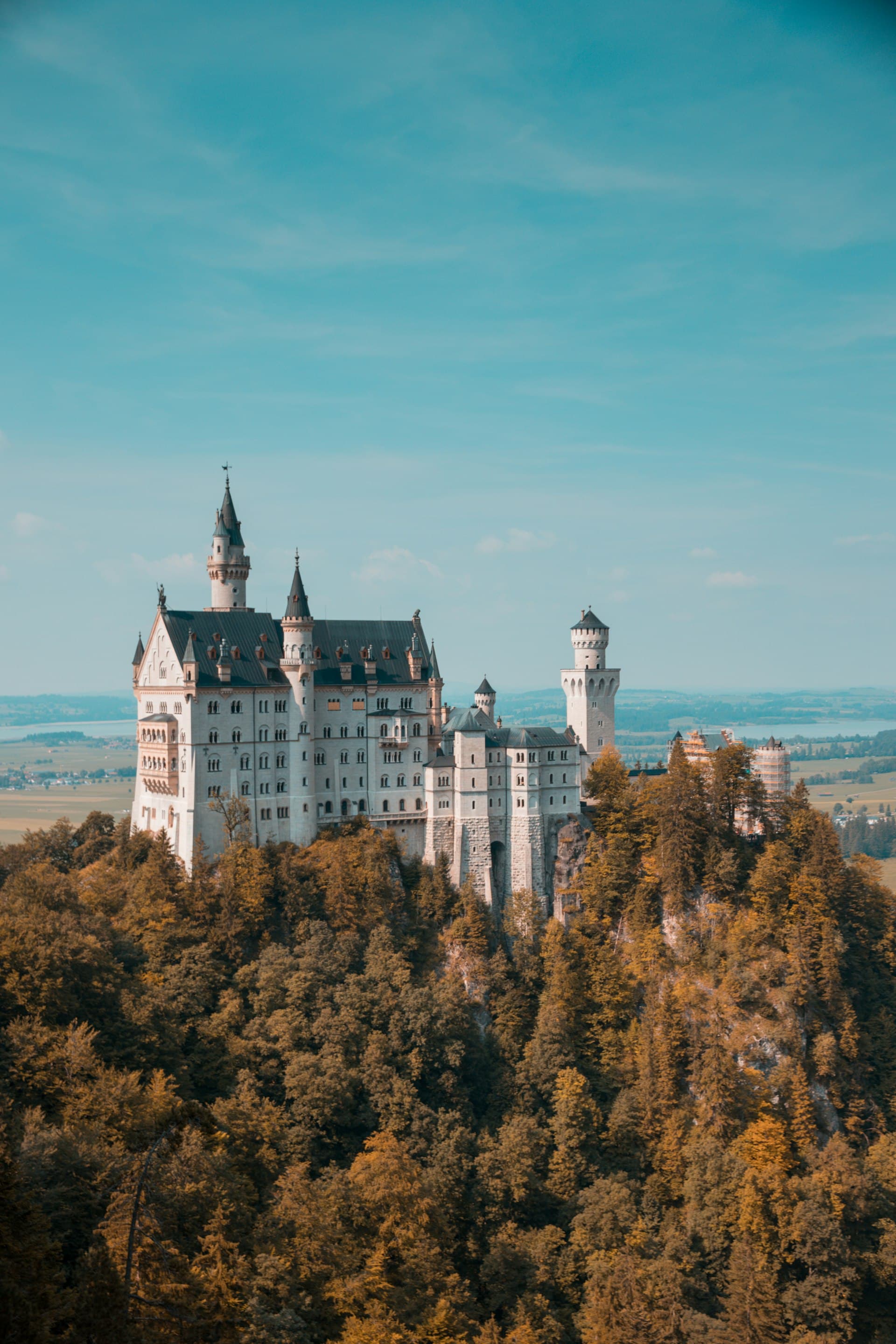
Neuschwanstein Castle in Winter — A Fairy-Tale in the Snow
Snow turns Neuschwanstein from a beautiful castle into something from another world entirely. The winter version of the fairy tale has fewer visitors and considerably more wonder.
4.9/5 on TripAdvisor
Money-Back Guarantee
Since 2004
No Hidden Extras
Summer is peak Neuschwanstein season. Winter is peak Neuschwanstein experience.
“We went in January expecting it to be cold and quiet. It was cold and quiet and the most beautiful thing I have ever seen in Europe.”
Susan & Bill, Atlanta
“The castle in snow looks exactly like a dream. I had seen a thousand photos, but nothing prepared me for standing in front of it in February.”
Anne M., Dublin
Written by
European Castles Tours
A family-run tour company based 5km from Neuschwanstein Castle since 2004.
Quick Answer
Is Neuschwanstein Castle worth visiting in winter?
Yes — winter is one of the best times to visit. Crowds are significantly smaller than summer, the snow-covered towers and mountain backdrop create an extraordinary atmosphere, and the interior experience is more peaceful. The main consideration is the Marienbrücke bridge, which closes in icy conditions.
Common Questions
Frequently Asked Questions
Yes. The castle remains open throughout the year, including winter months. Timed-entry tickets are still required, and advance booking is recommended even in the quieter season.
The famous bridge viewpoint closes when ice makes it dangerous, typically from late November through March depending on conditions. However, alternative viewpoints — including forest trails with dramatic perspectives — are accessible year-round and often less crowded.
Significantly smaller than summer. You may enter the castle with fewer than twenty people rather than hundreds. The difference in atmosphere is dramatic.
Warm, waterproof clothing and sturdy shoes are essential. The route from the village to the castle entrance involves an uphill walk that can be icy. Your guide will advise on conditions on the day.
No. The interior rooms and the guided tour are unaffected by exterior weather. The experience inside is the same year-round — though the views through the windows are considerably more magical in snow.
Explore These Places
Related Tours
Keep Reading
More From the Blog
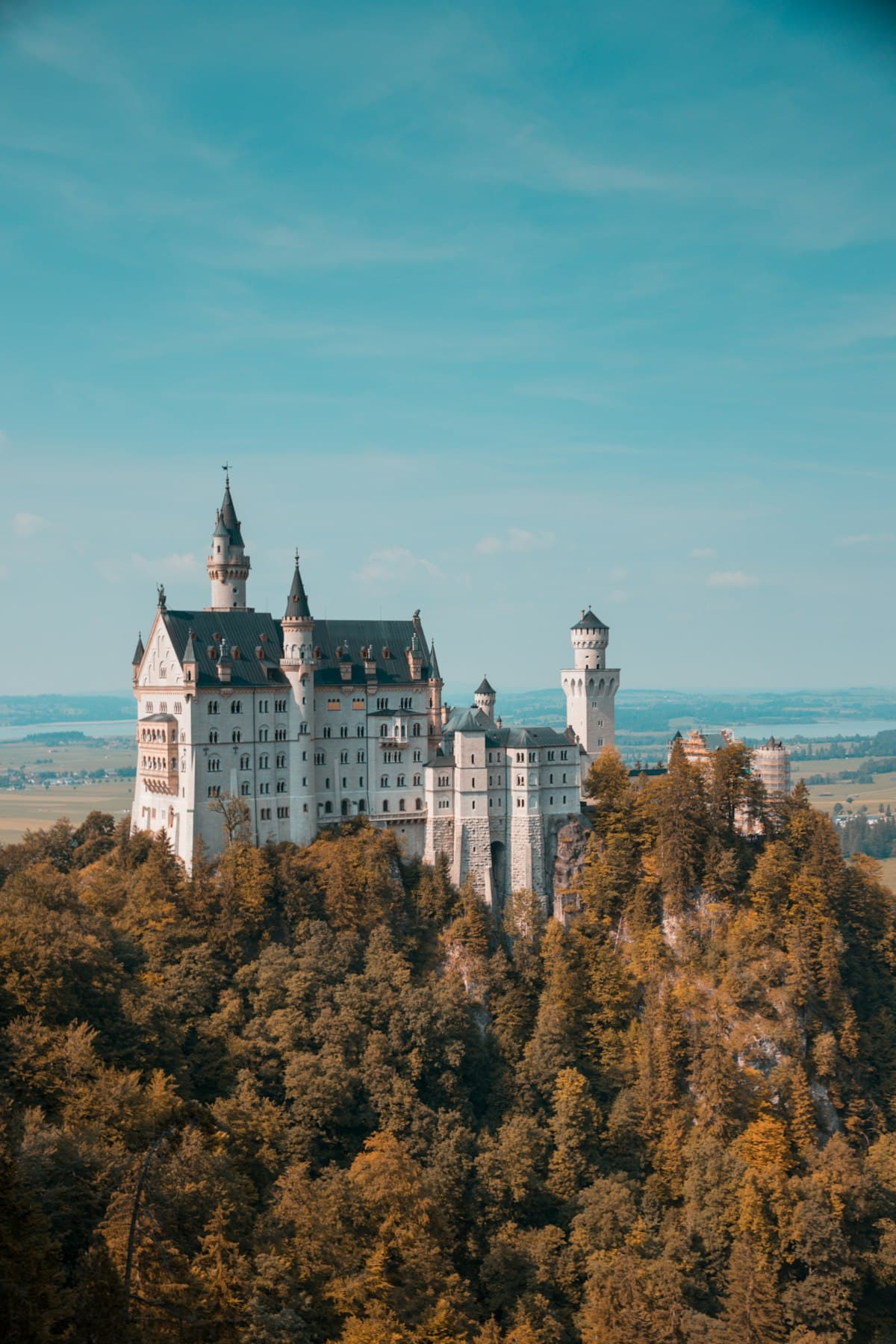
Best Neuschwanstein Photography Spots — A Photographer's Guide
The photographs that made Neuschwanstein famous were taken from specific places at specific times of day. Here is what each viewpoint offers — and why the best shots happen when you know where to stand.
Travel GuideIs Neuschwanstein Castle Worth Visiting? — An Honest Answer
Every year, travelers ask whether Neuschwanstein lives up to its reputation. The honest answer is: it depends entirely on how you visit. Done right, it is one of the most extraordinary days in European travel.
Seasonal GuideChristmas Markets and Castle Tours in Bavaria — A Winter Fairy Tale
Bavaria in December is a different country. Neuschwanstein in snow and Nuremberg's Christmas market in candlelight are two of the most extraordinary winter experiences in Europe — and they are an hour apart.