Travel Guide
The Bavarian Alps — A Complete Guide for First-Time Visitors
The Bavarian Alps pack more scenery into a compact area than almost anywhere in Europe. Here's how to experience them properly — from someone who sees them from their kitchen window.
4.9/5 on TripAdvisor
Money-Back Guarantee
Since 2004
No Hidden Extras
The Bavarian Alps aren't the Swiss Alps — they're better for most visitors, and here's why.
The Bavarian Alps are not the highest mountains in Europe — not even close. The Zugspitze, Germany's highest peak, would barely qualify as a foothill in the Swiss Alps. But elevation isn't what makes a mountain experience. Accessibility, variety, and the cultural landscape around the peaks is what matters — and on those counts, the Bavarian Alps are hard to beat anywhere in the world.
Geography — What You're Working With
The Bavarian Alps stretch about 300 kilometers along Germany's southern border with Austria. They're compact — you can drive from one end (Lindau on Lake Constance) to the other (Berchtesgaden near Salzburg) in about four hours. This means you can base yourself in one location and reach almost everything as a day trip.
The key areas, from west to east:
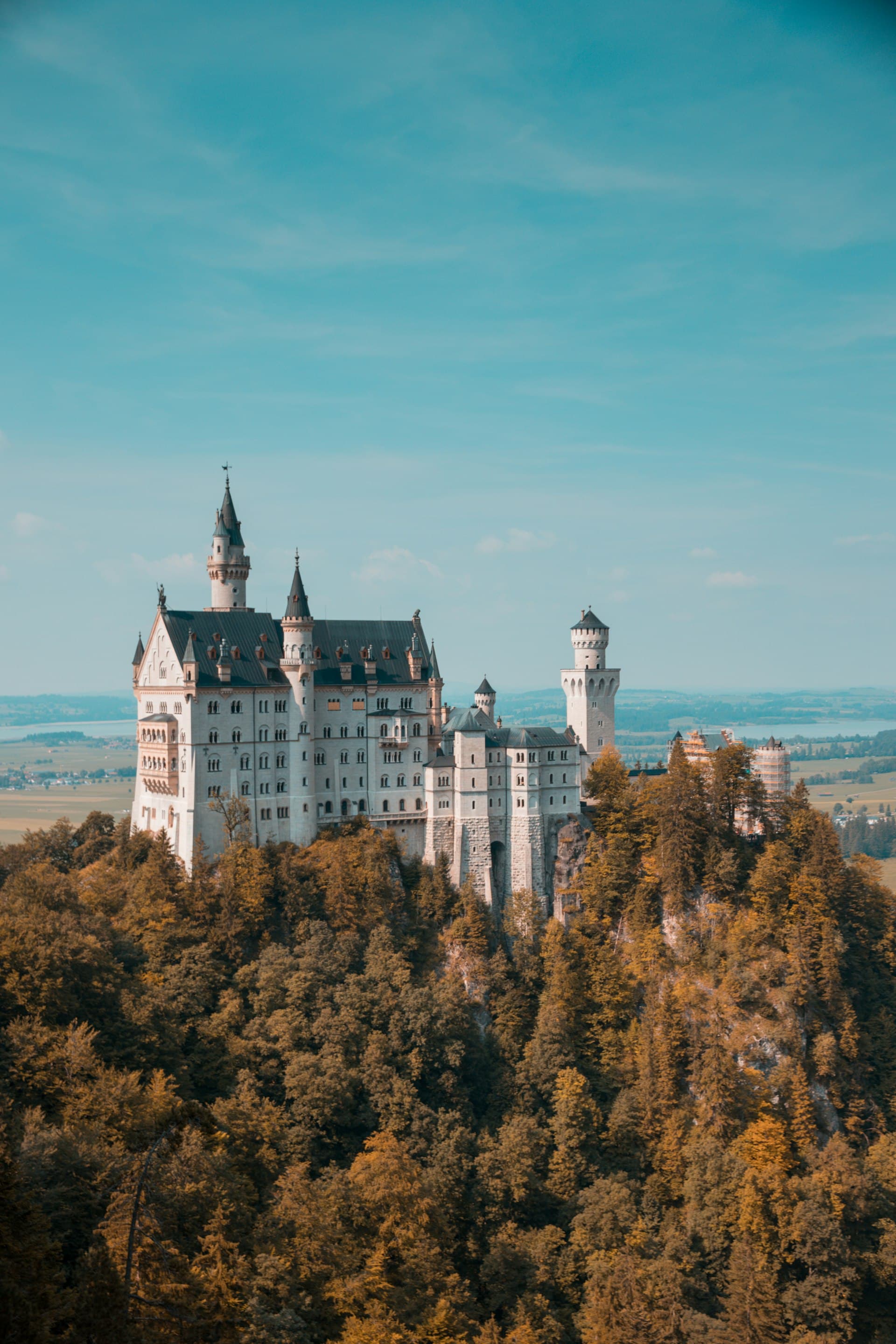
Allgäu (west): Rolling green foothills, Neuschwanstein Castle, the Romantic Road's southern terminus at Füssen. Gentle terrain, perfect for families and castle lovers.
Werdenfelser Land (center): Garmisch-Partenkirchen, the Zugspitze, Mittenwald, Partnach Gorge. The highest and most dramatic section. Best for mountain enthusiasts and cable car excursions.
Chiemgau (east-center): Lake Chiemsee (the "Bavarian Sea"), Herrenchiemsee Palace on an island, rolling farmland backed by peaks. More relaxed, excellent for combining water and mountains.
Berchtesgadener Land (far east): Königssee (Germany's cleanest lake), Eagle's Nest, salt mines, Watzmann massif. The most Alpine-feeling section — steep valleys, dramatic cliffs, a fjord-like lake.
The Essential Experiences
Zugspitze Summit: Germany's highest point at 2,962 meters. Take the Eibsee cable car (10 minutes) or the cogwheel train (75 minutes — more scenic, less dramatic). On a clear day, you see the Alps stretching across four countries. The panorama platform is wheelchair accessible. Budget 2-3 hours at the top.
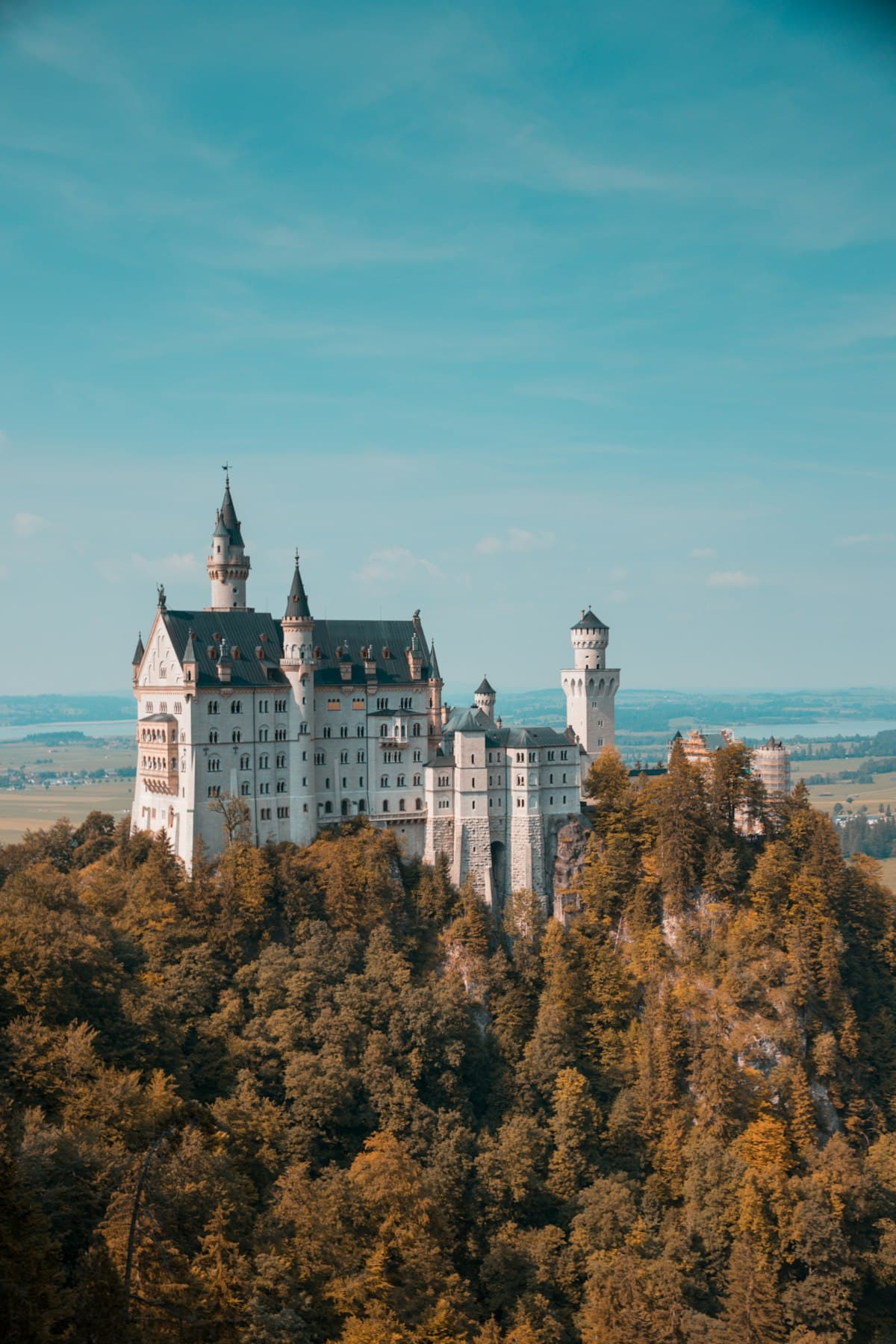
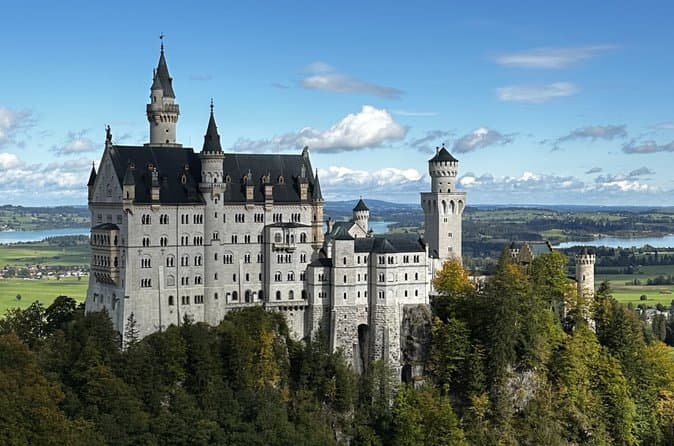
Neuschwanstein Castle: King Ludwig II's fairy-tale castle is the most visited attraction in the Alps. It's genuinely extraordinary — the setting above the Pollat Gorge, the hand-painted interiors, the tragic story of the Mad King. Visit early morning or book skip-the-line access. Combine with Linderhof Palace (30 minutes away) for the full Ludwig experience.
Königssee Boat Ride: An electric boat glides across water so clear you can see the lake bed 30 meters down. The captain plays a trumpet and the echo bounces off the cliff walls seven times. It sounds kitschy in writing — in person, it's genuinely moving. Continue to the Obersee lake behind St. Bartholomew's church for one of the most photographed scenes in Bavaria.
Partnach Gorge: A 700-meter gorge near Garmisch where a torrent has carved through limestone. The path runs along galleries cut into the rock face, behind waterfalls, through tunnels. It takes about 30 minutes to walk through and it's spectacular in every season — frozen waterfalls in winter, thundering cascades in spring.
Best Towns for a Base
Garmisch-Partenkirchen: Two towns merged for the 1936 Olympics, still maintaining distinct characters. Best location for the Zugspitze, Partnach Gorge, and Mittenwald. Good restaurants, several hotels ranging from budget to luxury. 75 minutes from Munich.
Füssen: The castle town. Walking distance to Neuschwanstein and Hohenschwangau, at the end of the Romantic Road. Charming old town with painted facades. Limited but improving restaurant scene. Best for castle-focused visits.
Berchtesgaden: Gateway to Königssee, Eagle's Nest, and the salt mines. The most authentically Alpine of the Bavarian towns — less touristy than Garmisch, more dramatic scenery. The Watzmann massif above town is genuinely imposing.
When to Visit
September and October: The ideal window. Stable weather, fewer tourists than summer, fall foliage lighting up the valleys, and Alpine huts still open for hiking. Water temperatures in the lakes are comfortable through September.
June to August: Peak season. Everything is open, days are long (sunset after 9 PM in June), wildflowers carpet the meadows. But accommodation books up months ahead and the main attractions get crowded. Book early or go with a guide who knows the timing.
December to February: Winter transforms the Alps. Castles look even more fairy-tale with snow. Garmisch has excellent skiing (Zugspitze glacier skiing starts in November). Christmas markets in Füssen and Garmisch are intimate compared to Munich's. Some mountain roads and cable cars close — check before you go.
Avoid November and April: These are transition months. Many facilities close for maintenance, weather is unpredictable, and the landscape is at its least photogenic.
Getting Around
The Bavarian Alps have reasonable public transport — trains connect Munich to Garmisch, Füssen, and most major towns. But the best scenery is off the main routes. The road from Linderhof to Plansee, the Rossfeld Panoramastraße above Berchtesgaden, the back road from Mittenwald to Innsbruck — these require a car or a guide who knows the routes.
A private tour solves the logistics entirely. Our Zugspitze day tour covers the summit, Partnach Gorge, and Garmisch in a single day — a combination that would take two days by public transport. The Eagle's Nest and Salt Mines tour reaches three of the most dramatic sites in the eastern Alps with no driving stress.
The Bottom Line
The Bavarian Alps offer the essential Alpine experience without the Swiss price tag or the complexity of navigating multiple countries. You can see fairy-tale castles, stand on a 3,000-meter summit, cruise a pristine lake, and hike through a gorge — all within an area small enough to cover in a week. Base yourself in Garmisch or Füssen, combine two or three day trips, and you'll leave with photographs that make Switzerland jealous.
“We almost went to Switzerland instead. Astrid convinced us to try Bavaria. Half the cost, twice the charm.”
David & Lisa, Toronto
“Standing on top of the Zugspitze, seeing four countries at once — that was the moment the trip became unforgettable.”
Kenji T., Tokyo
Written by
European Castles Tours
A family-run tour company based 5km from Neuschwanstein Castle since 2004.
Quick Answer
What are the Bavarian Alps known for?
The Bavarian Alps are known for fairy-tale castles (Neuschwanstein, Linderhof, Hohenschwangau), Germany's highest peak (Zugspitze, 2,962m), crystal-clear lakes (Eibsee, Königssee, Alpsee), charming Alpine villages (Garmisch-Partenkirchen, Mittenwald, Oberammergau), and world-class hiking. The region also features the Eagle's Nest, Partnach Gorge, and traditional Bavarian beer gardens.
Common Questions
Frequently Asked Questions
June to October for hiking and outdoor activities. September and October offer the best combination of stable weather, fall colors, and fewer crowds. December to March for winter sports and Christmas markets. The Zugspitze has snow year-round. Avoid November — it's grey and many mountain facilities close for maintenance.
Yes. Garmisch-Partenkirchen is 75 minutes from Munich, Neuschwanstein is 90 minutes, and Berchtesgaden is about 2 hours. A private day tour covers more ground than public transport and reaches places the trains don't go.
It helps enormously. Public transport connects the major towns but misses the most scenic valleys and viewpoints. Many of our favorite stops — the Plansee loop, the road to Linderhof, the Rossfeld Panoramastraße — require a vehicle. A private tour solves this completely.
Excellent. The cable cars at Zugspitze and Tegelberg are exciting for kids, the lakes are swimmable in summer, and castles like Neuschwanstein are inherently magical for children. Most Alpine restaurants welcome families and serve children's portions without needing to ask.
Explore These Places
Related Tours
Discover More
Explore These Destinations
Keep Reading
More From the Blog
Best Neuschwanstein Photography Spots — A Photographer's Guide
The photographs that made Neuschwanstein famous were taken from specific places at specific times of day. Here is what each viewpoint offers — and why the best shots happen when you know where to stand.
Travel GuideIs Neuschwanstein Castle Worth Visiting? — An Honest Answer
Every year, travelers ask whether Neuschwanstein lives up to its reputation. The honest answer is: it depends entirely on how you visit. Done right, it is one of the most extraordinary days in European travel.
Seasonal GuideChristmas Markets and Castle Tours in Bavaria — A Winter Fairy Tale
Bavaria in December is a different country. Neuschwanstein in snow and Nuremberg's Christmas market in candlelight are two of the most extraordinary winter experiences in Europe — and they are an hour apart.